
When you’re running a business that relies on organized storage, expanding workspace, or protecting valuable equipment, installing a commercial storage shed is a big decision—but timing can make all the difference between a smooth, cost-effective project and one that hits unexpected delays or extra costs. As a commercial storage shed supplier with years of working with businesses across industries, I’ve seen firsthand how choosing the wrong season can derail even the best-laid plans. Today, I’m breaking down the best time of year to install a commercial storage shed, backed by on-the-ground experience and practical, science-aligned reasoning that works for warehouses, farms, retail centers, and every business in between.
Let’s start with the basics: commercial shed installation isn’t like putting up a tiny backyard garden shed. These structures range from compact units for storing office inventory to large, heavy-duty buildings for farm equipment, so their installation requires specific weather conditions, access to crews, and logistical coordination. Pick the wrong time, and you might face mud that delays site prep, frozen ground that makes anchoring impossible, or extreme heat that slows down construction and puts your team at risk. Pick the right time, and you’ll get your shed up quickly, avoid extra fees, and have a structure that lasts for decades.
Spring is often the first season people consider, and for good reason—on the surface, mild temperatures (usually between 50°F and 70°F) feel ideal for outdoor work. But here’s the catch: spring is also peak rainy season in most parts of North America. Heavy, consistent rain can turn construction sites into mud pits, making it hard for crews to move heavy materials, grade the ground, and pour concrete foundations. Wet soil also means unstable anchoring, which is a critical factor for commercial sheds—improper anchoring can lead to structural damage during high winds or heavy snow down the line. I learned this lesson early on: a client who installed a shed in mid-spring 2019 in Ohio dealt with six weeks of back-to-back rain, which pushed their installation back three weeks and added $1,200 in extra fees for drying and regrading the site. That said, spring does have one advantage: lead times for crews are often shorter early in the season, before summer and fall pick up. If you do choose spring, aim for early spring, before the rainy rush hits, or early summer as an alternative.


Summer brings its own set of pros and cons. The biggest upside is dry, warm weather that makes foundation work and construction go quickly—crews can work longer hours, and there’s no risk of frozen ground or mud. For businesses that need a shed fast to keep up with peak inventory or equipment demands, summer can feel like a win. But extreme summer heat (temperatures over 90°F) is a major issue. Not only does it slow down construction and raise the risk of heat-related illness for crews, but it can also cause problems with materials like asphalt and sealants, which don’t bond properly in intense heat. We’ve also seen supply chain delays hit hard in summer, especially for specialty commercial sheds like Loading Bay Canopies, which require custom framing to fit specific building dimensions. In 2022, we had a client wait six weeks for custom Loading Bay Canopies during July, when production backlogs were at their highest. If you’re in a warmer climate with mild, dry summers (like the Pacific Northwest or parts of the Southeast), summer might work, but for most of the country, it’s a higher-risk option.
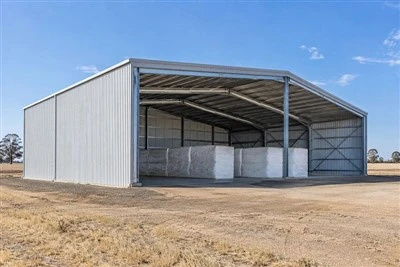
Fall, without a doubt, is the sweet spot for most commercial shed installations. Here’s why: summer heat has faded, temperatures are mild (between 45°F and 75°F) for most regions, and rainfall is usually lighter and more predictable. The ground is often drier than spring, making site prep and foundation work straightforward. But the biggest benefit of fall is logistical: construction crews and material suppliers have more availability, and custom orders like Industrial Workshop Sheds or Large Machinery Sheds are easier to get on schedule, since the peak demand rush hasn’t hit yet. Businesses also love fall because once the shed is installed, it’s ready for the winter ahead—no delays to store inventory or equipment during the colder months. I recently worked with a retail client who ordered a Commercial Workshop Shed last September; their installation was completed in 10 days, with zero weather-related delays, and they were able to move holiday inventory into the new unit before the first snowfall. That’s exactly the kind of smooth project we aim for. Another client who added a Car Port Storage Shed for their delivery vehicles in October avoided the winter frost that would have made anchoring concrete foundations impossible, saving them over $800 in extra frost-protection fees.
Winter is the trickiest season, and it’s only worth considering in mild climates. In most of the U.S., frozen ground makes digging footings and pouring concrete nearly impossible—you’d need to rent specialized equipment to heat the ground, which adds significant cost. Snow and ice also delay construction, and crews often work shorter hours due to safety concerns. The only exception is if you’re in a region with year-round mild weather, like Southern California or parts of Texas, where winter temperatures stay above freezing. Even then, you’ll still face shorter lead times if you wait too late in the season, as demand picks up for spring projects. We rarely recommend winter installations for clients in colder climates, unless it’s an emergency—like a broken storage structure that’s putting your inventory at risk.
Now, it’s not just seasons that matter; there are a few additional factors that can make or break your shed installation, regardless of when you choose. First, consider your business’s needs: if you need a shed for peak holiday storage, fall is the perfect time to get it up before the rush. If you need to protect equipment from harsh summer sun, early summer can work if you plan ahead. Second, custom vs. standard sheds: if you’re ordering a specialized structure like Industrial Workshop Sheds or Loading Bay Canopies, you’ll want to build in extra lead time. We often advise clients who order custom units to place their order 8–12 weeks before their desired installation date, which is easier to do in fall, when production lines aren’t backlogged. Third, local weather patterns: if you’re in a region known for heavy spring rains or hurricane season in late summer, adjust your timeline to avoid those windows. We have clients in Florida who avoid June–September entirely, opting for February–April or October–November to skip hurricane-related delays.
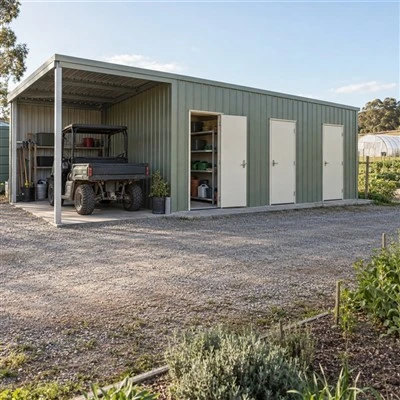
As a commercial storage shed supplier, my top recommendation year after year is fall, specifically September through mid-November, for the majority of our clients. The combination of mild weather, accessible crews, and flexible lead times means your project will be completed on schedule, on budget, and with the structural integrity your business needs. But I always tell clients that the “best” time also depends on your individual timeline. If you need a shed in the next few weeks, our standard stock units like Car Port Storage Sheds can often be installed in as little as 2 weeks, so you don’t have to wait for a season to align.
Once your shed is installed, it’s designed to handle whatever the year throws at it—whether that’s a cold winter snow load or a hot summer sun. But choosing the right time to install it is the first step to ensuring it works for your business, not against it. No matter what time of year you’re considering, our team can help you assess your site, your timeline, and your needs to find the perfect solution—from small storage units to full industrial buildings like Loading Bay Canopies and Large Machinery Sheds.
If you’re ready to discuss your commercial storage shed project, our team is here to help you navigate every step, from planning to installation. Reach out today to get a customized quote and learn how to time your project for maximum efficiency and value.
References
- National Oceanic and Atmospheric Administration (NOAA) - U.S. Climate Data
- American Institute of Steel Construction (AISC) - Structural Guidelines for Metal Building Installation
- Construction Industry Institute (CII) - Seasonal Impacts on Commercial Construction Timelines and Costs
- National Agricultural Statistics Service (NASS) - Agricultural Building Installation Best Practices